
How I Cut My Prescription Costs by 70% (And You Can Too)
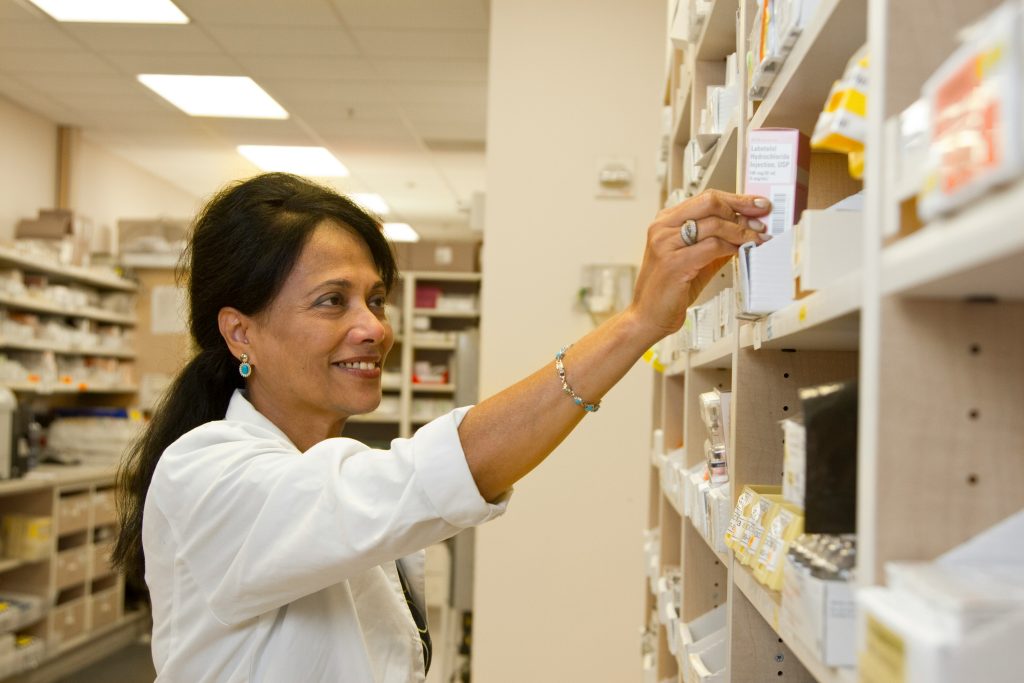
The pharmacist’s words still ring in my ears: “That’ll be $487.” I was picking up a three-month supply of medication my doctor assured me was “covered by most insurance plans.” Turns out my insurance had other ideas. Standing there at the CVS counter, I felt that familiar mix of anger and helplessness that comes with America’s prescription drug pricing.
That was two years ago. Today, I pay around $150 for the same three-month supply. I learned how to work the system that’s designed to work against us.
Here’s the thing nobody tells you: the price you see at the pharmacy counter is basically made up. It is NOT set in stone. The same medication can cost $15 at one pharmacy and $95 at another, literally across the street. Once I understood this, everything changed.
The Pharmacy Shopping Secret That Changed Everything
I realized this when my neighbor mentioned she paid $12 for the same amoxicillin that cost me $46. Same dosage, same quantity, different pharmacy. That afternoon, I called seven pharmacies within a five-mile radius asking for cash prices on my medications. The price variations were all over the place.
Walgreens wanted $127 for my blood pressure medication. The grocery store pharmacy? Thirty-two dollars. For the exact same pills made by the exact same manufacturer. When I asked the grocery store pharmacist why the difference was so dramatic, she just shrugged and said, “We set our own prices.”
Now I keep a spreadsheet. I know it sounds obsessive, but it takes five minutes to update and saves me hundreds each month. Every January, I call around again because prices change. Last year, Costco raised their price on one of my meds by 40%, while Kroger dropped theirs by half. You’d never know unless you asked.
Here’s what most people don’t realize: you don’t need a Costco membership to use their pharmacy. Federal law requires them to serve everyone for prescriptions. Same goes for Sam’s Club. Their prices are often the lowest around, and the pharmacists are less rushed than at the big chains.
The GoodRx Revelation (And Its Dirty Little Secret)
Everyone’s heard of GoodRx by now, but most people use it wrong. They pull up the app at the pharmacy counter while the line builds behind them, frantically searching for coupons. That’s not how you win this game.
I check GoodRx prices before I even leave the doctor’s office. Sometimes the coupon price beats my insurance copay. Actually, scratch that. It often beats my insurance copay. My insurance wanted $75 for my cholesterol medication. GoodRx price at Walmart? Twenty-three dollars.
But here’s the dirty secret about GoodRx and similar apps: they’re not actually giving you a discount. They’re showing you a different pre-negotiated price that the pharmacy has agreed to accept. The pharmacy still makes money, GoodRx gets a kickback, and you save cash. Everyone wins except your insurance company, which is fine by me.
The trick is to check multiple discount programs. GoodRx is the biggest, but RxSaver, WellRx, and SingleCare sometimes beat their prices. I once saved an extra $18 just by showing a SingleCare coupon instead of GoodRx for the same medication at the same pharmacy. The pharmacist didn’t bat an eye. This is normal for them.
When Your Doctor Becomes Your Ally
Most doctors have no idea what medications actually cost. They prescribe what they think will work best, assuming insurance will cover it. Then you get to the pharmacy and discover your insurance considers that medication “non-preferred” and wants $200 for a month’s supply.
Here’s what changed my life: I started asking my doctor one simple question. “Is there something cheaper?” Nine times out of ten, the answer is yes. My doctor prescribed me a brand-name medication for acid reflux that cost $258 monthly. The generic alternative? Twelve dollars. Same effectiveness, fraction of the price.
Some doctors get annoyed when you bring up cost. Find a different doctor. Seriously. A good doctor understands that medication you can’t afford is medication you won’t take. My current doctor actually keeps a list of which medications tend to be expensive and offers alternatives upfront. She told me she started doing this after too many patients stopped taking their medications due to cost.
Don’t be shy about asking for samples either. Drug reps load doctors up with free samples, especially for newer, expensive medications. My doctor gave me three months of samples for a new medication while we figured out insurance coverage. That saved me $400 right there.
The 90-Day Supply Trick
This one’s so simple but I never hear anyone talk about it. Many insurance plans charge you the same copay whether you get a 30-day or 90-day supply. I was paying $30 every month for one medication. Now I pay $30 every three months for the same drug. That’s $240 in savings per year on just one prescription. Really wish I known that sooner.
But here’s where it gets interesting. Some pharmacies offer their own discount programs for 90-day supplies that beat insurance prices. Walmart’s $4 generic list becomes $10 for a 90-day supply. That’s cheaper than most insurance copays. CVS and Walgreens have similar programs, though they don’t advertise them much. Wonder why.
The mail-order pharmacies your insurance pushes? Sometimes they’re cheaper, sometimes they’re not. Always compare. My insurance swears their mail-order pharmacy saves me money, but their 90-day price is $105 compared to $67 at my local grocery store pharmacy with a GoodRx coupon. They’re hoping I won’t check. Always check.
Manufacturer Coupons: The Rich People’s Secret
Pharmaceutical companies aren’t stupid, they know their drugs are overpriced. That’s why many offer manufacturer coupons that can drop your copay to almost nothing. But here’s the catch: these coupons usually only work if you have commercial insurance. Medicare and Medicaid patients can’t use them. It’s actually illegal, which is its own kind of messed up.
I take one brand-name medication that has no generic alternative. The retail price is $436 monthly. My insurance copay is $150. But with the manufacturer’s coupon, I pay $25. The coupon took two minutes to sign up for on the drug’s website, and they sent me a card that the pharmacy keeps on file.
These programs go by different names like “savings card” or “copay assistance program.” Just Google your medication name plus “savings” or “coupon.” If it’s a brand-name drug made by a big pharmaceutical company, there’s probably a program. They usually cap the annual benefit, but it’s often thousands of dollars.
The weird part? My wealthy friends all know about these programs. My working-class friends have never heard of them. It’s like there’s a secret handshake for people who already have good insurance to pay even less.
The Nuclear Option: Pharmacy Tourism
I’m not talking about flying to Mexico, though plenty of people do that. I’m talking about driving to Canada. I live in Michigan, and a two-hour drive to Windsor can save me thousands on certain medications.
My friend takes a biologic medication for arthritis that costs $4,000 monthly in the US. In Canada? Three hundred dollars. She drives up every three months, has lunch in a nice restaurant, does some shopping, and still saves over $10,000 annually. Completely legal as long as it’s a 90-day supply for personal use.
There are also legitimate online Canadian pharmacies that ship to the US. You need a valid prescription, and shipping takes a couple of weeks, but the savings can be dramatic. My aunt orders her diabetes medication from Canada and pays about 40% of US prices. The pills come in the same packaging from the same manufacturer.
Independent Pharmacies: The Hidden Gem
Everyone assumes the big chains have the best prices because of their buying power. Sometimes that’s true, but independent pharmacies have flexibility the chains don’t. They can match prices, work with you on payment plans, and often have lower cash prices.
My independent pharmacist knows me by name. When one of my medications suddenly jumped in price, she called me before I came in and suggested an alternative. She also told me about a patient assistance program I qualified for that saved me $2,000 last year. Try getting that service at CVS.
Independent pharmacies also compound medications, which can save money in weird ways. My dog’s medication costs $78 at the vet. The compounding pharmacy makes the same medication for $22. Yes, some human medications are the exact same as pet medications at five times the price. My pharmacist told me people regularly fill their pet’s prescriptions and happen to take the same medication. I’m not saying you should do this. I’m just saying people do.
The Insurance Game You Need to Play
Insurance formularies change constantly. The medication covered this year might not be covered next year. Every October, I review my insurance plan’s formulary for the next year. It’s boring as hell, but it matters.
Last year, my insurance dropped coverage for one of my medications out of nowhere. But they sneakily added coverage for a similar drug that does the same thing. My doctor switched my prescription, and I kept paying the same copay. If I hadn’t checked, I would have been stuck paying full price or fighting with insurance for months.
Sometimes it’s actually cheaper to not use insurance at all. This sounds backwards, but it’s true. My insurance wanted me to pay a $45 copay for a generic medication. The cash price with a GoodRx coupon was only $11. When I told the pharmacist to run it without insurance, she was happy to do so.
Patient Assistance Programs Nobody Mentions
If you’re really struggling, pharmaceutical companies have patient assistance programs that provide free medications to people who qualify. The income limits can be pretty high sometimes 4x of the poverty level in your area.
Each company runs their own program with different requirements. Some want tax returns, some just take your word for it. NeedyMeds.org has a database of every program. I helped my uncle apply for one when he lost his job. He got six months of free medication worth $3,000.
Hospitals and clinics often have social workers who can help with applications. They know all the programs and can often get you approved faster. My local hospital has someone whose entire job is helping people get free or discounted medications. Most people have no idea this service exists.
The Truth About Splitting Pills
Doctors hate when patients split pills without asking, but it’s a legitimate cost-saving strategy when done right. Many medications come in doses that cost the same regardless of strength. A 40mg pill might cost the same as a 20mg pill. Get the higher dose and split it.
But you can’t do this with all medications. Extended-release pills, capsules, and certain coated tablets shouldn’t be split. Always ask your doctor or pharmacist first. My blood pressure medication is safe to split, so my doctor prescribes double the dose. I cut them in half and pay half as much.
Buy a decent pill splitter. The $3 one from the dollar store will crumble your pills and give you uneven doses. I spent $12 on a good one and it’s saved me hundreds. Some pharmacies will even split pills for you if you ask – just don’t ask when they are super busy.
I Wish I’d Known Earlier
The American prescription drug system is designed to be confusing. They want you to just pay whatever price they first quote because most people will. Don’t be most people.
Start with one medication. Find the best price using the strategies I’ve shared. Once you see the savings, you’ll be motivated to optimize all your prescriptions. My spreadsheet shows I’m saving $4,800 annually compared to what I was paying two years ago. That’s a nice vacation or a car down payment.
The most important thing? Never assume you have to pay the first price you’re quoted. You have some many options, you just have to be willing to ask the questions and do a little legwork.
I told my pharmacist I was writing an article about this stuff and asked her her thoughts. She said the people who pay the most for medications are the ones who never ask questions. The people who pay the least are the ones who treat medication prices like any other negotiable expense. Guess which group I’m in now.
Your health shouldn’t be a luxury item. Until the system changes, we have to be diligent. These strategies aren’t perfect (and sometimes they do not work at all), but they’ve made my medications affordable. That $487 prescription that started this journey? I now pay $46 for it at an independent pharmacy using a manufacturer coupon. The medication is the same. Only the price has changed.